
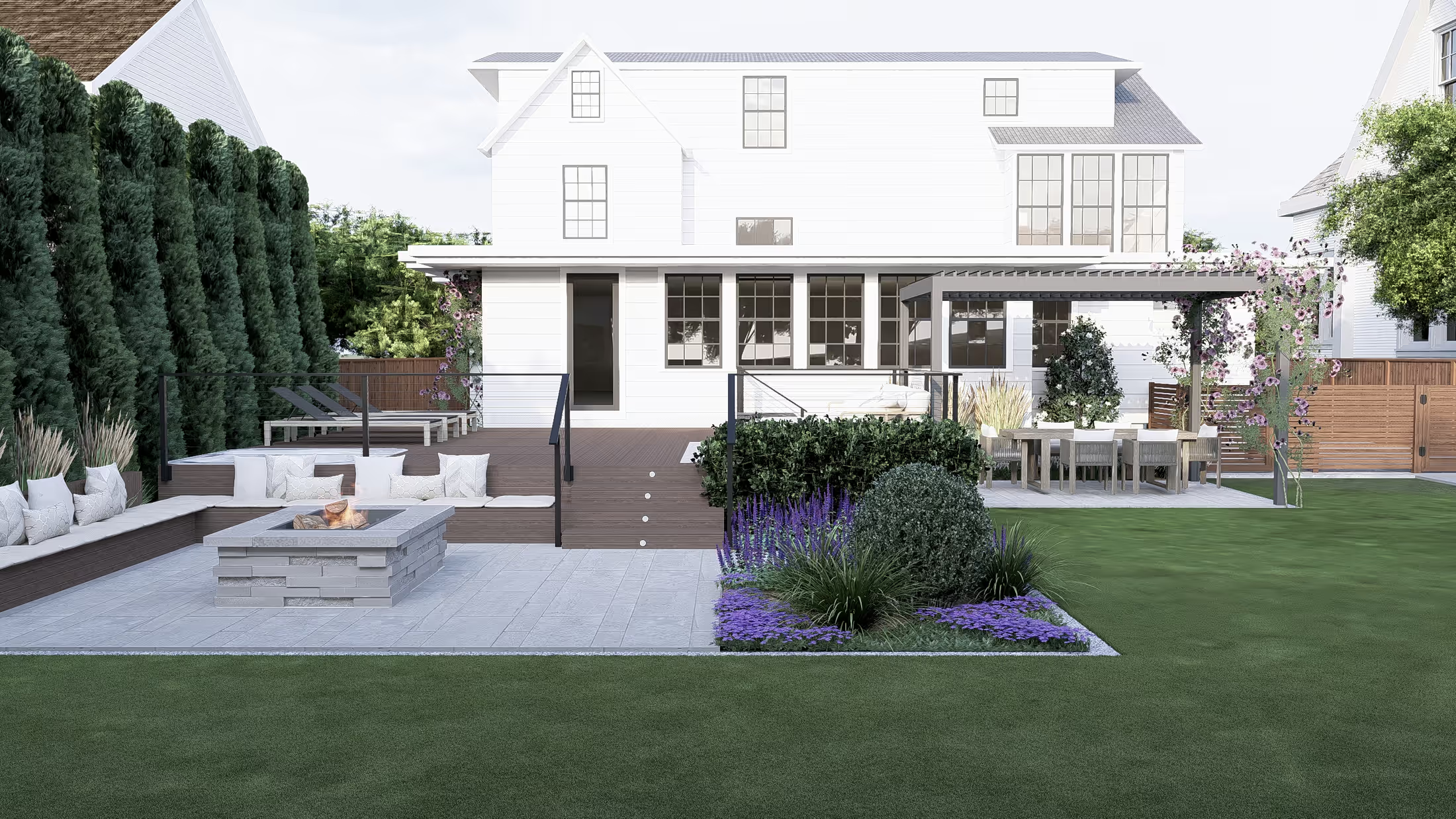
Landscape design in New York
Gardens with year-round structure, from brownstone to Hudson Valley.
New York spans tiny brownstone gardens, Long Island estates, Hudson Valley hillsides and Adirondack cabins. The common thread is a real winter: freeze–thaw cycles that crack poorly detailed paving, road salt that burns plants, and deer that eat most things.
Designing here is about structure and long-term thinking: frost-proof hardscape, evergreen bones, deer-resistant planting and layouts that look good in January as well as July. In small city yards, it is also about making every square foot do double duty.
What New York asks of a landscape.
01Frost depth and freeze–thaw
Frost depth reaches three to four feet in much of the state. Footings, bases and drainage must be detailed to match, and paving materials chosen for freeze–thaw performance such as dense porcelain and bluestone.
02Small city lots
A narrow brownstone or townhouse garden needs vertical thinking: planted walls, slim benches, built-in storage and lighting that makes the space feel larger at night.
03Deer and salt
Deer are a fact of life upstate and on Long Island; we choose deer-resistant plants and note fencing options. Near roads, we pick salt-tolerant species and keep delicate planting away from plough zones.
04Four-season interest
Bloom, bark, berry and evergreen structure keep the garden alive from spring through winter, with lighting to carry it through long dark evenings.
Related work.
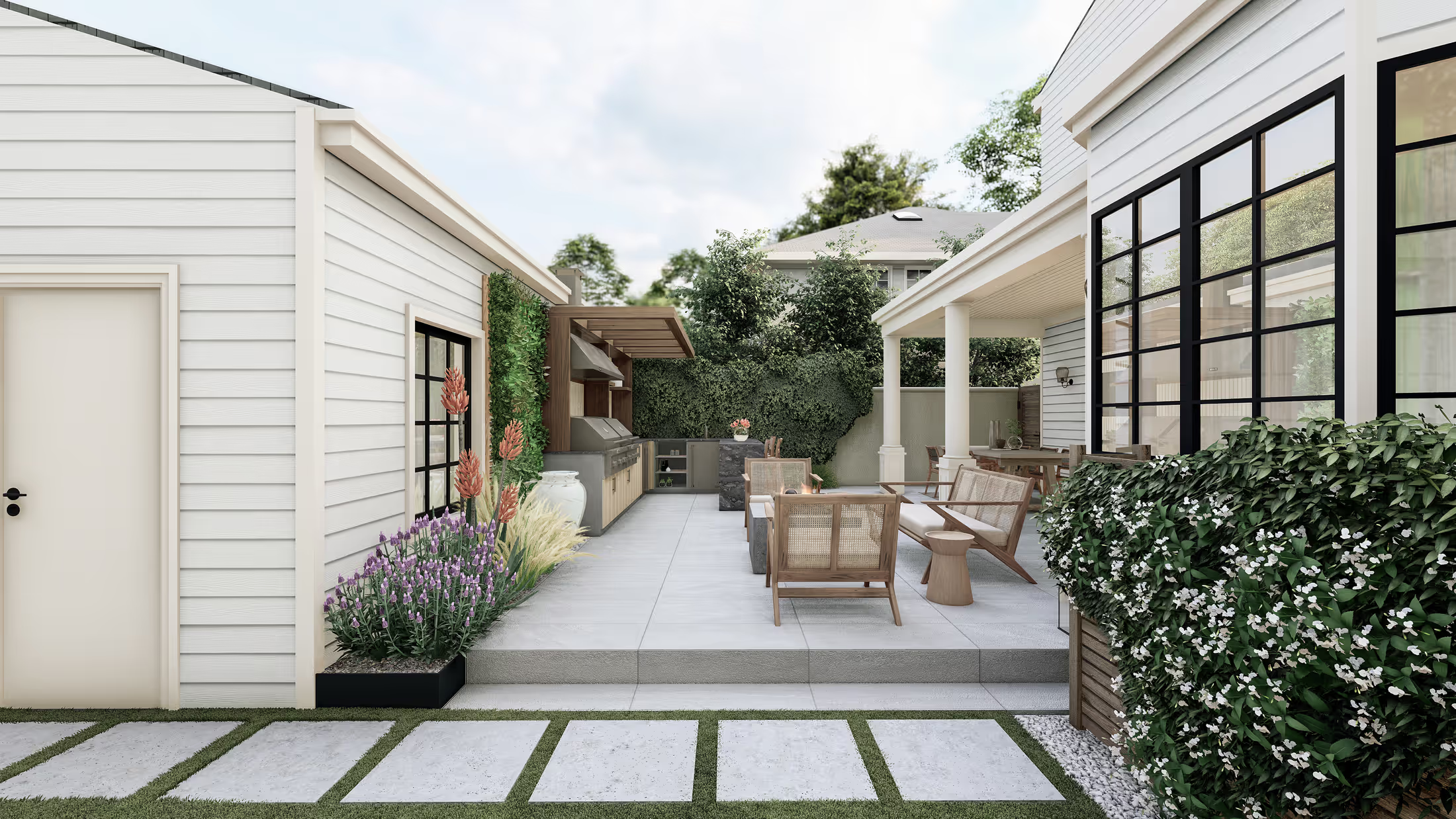
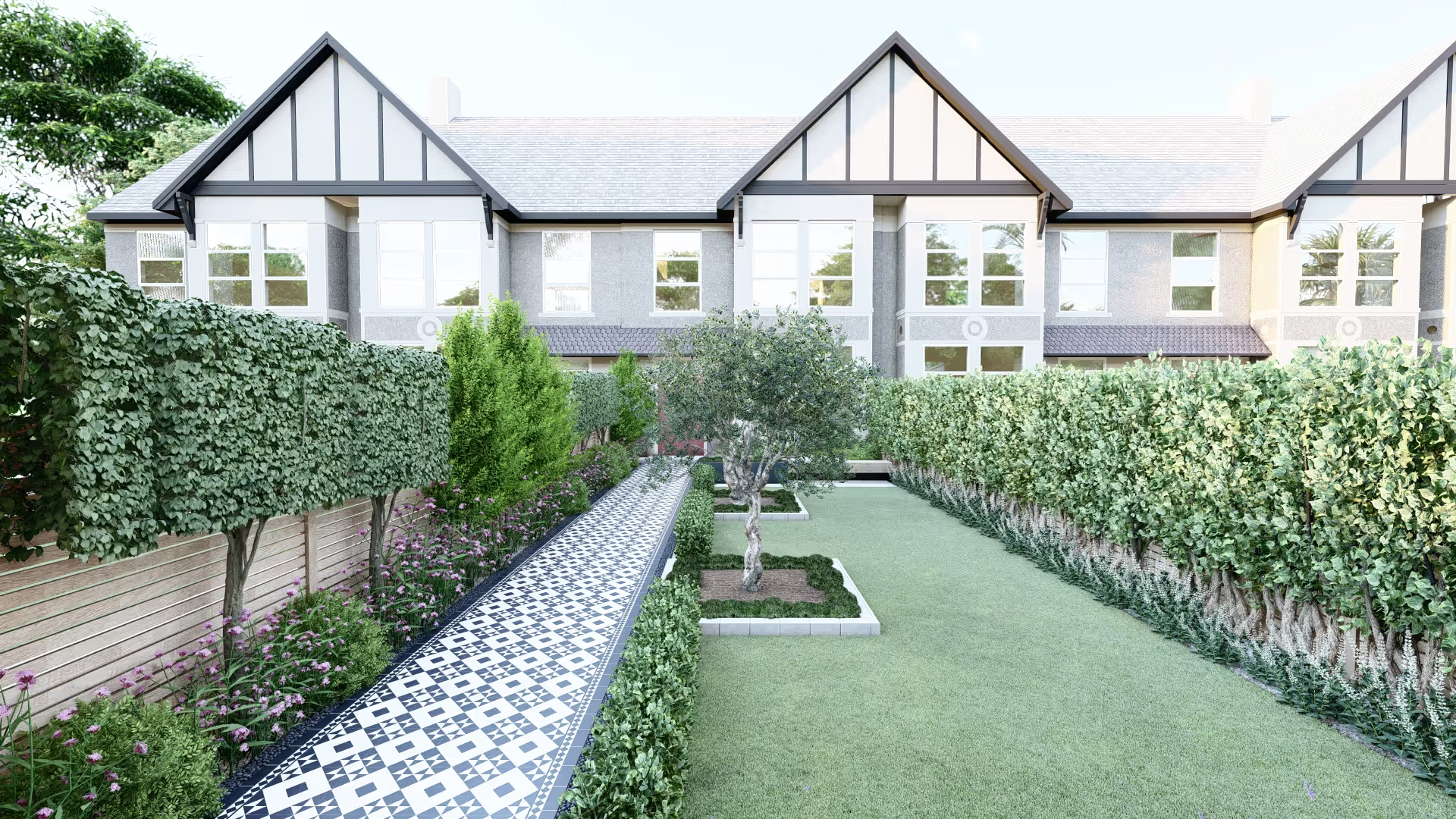
Projects from my portfolio whose planting, materials or layout would suit a home in this region. Each case study notes where it is.
Plants that earn their place in New York.
A starting palette, not a prescription. The real list depends on your zone, soil, exposure and the look you want.
Panicle hydrangea
Hydrangea paniculata
Reliable, hardy blooms and winter-standing seed heads.
Switchgrass
Panicum virgatum
Upright native grass with gold fall colour; salt-tolerant.
Coneflower
Echinacea purpurea
Long-blooming prairie perennial that feeds pollinators.
Serviceberry
Amelanchier spp.
Four-season small tree with spring blossom and fall colour.
Boxwood alternatives
Buxus, Ilex glabra
Evergreen structure and formal clipping, with deer-tolerant options.
Amsonia
Amsonia hubrichtii
Feathery foliage with brilliant gold in fall.
Catmint
Nepeta spp.
A lavender-blue haze that deer tend to avoid.
Eastern redbud
Cercis canadensis
Pink spring flowers and heart-shaped leaves.
Built from what lasts here.
New York City and many municipalities have specific rules, including landmark districts and rooftop load limits. We provide drawings; your contractor or architect confirms approvals.
Bluestone
A New York classic; durable, handsome and easy to cut into any pattern.
Porcelain pavers
Frost-resistant, slip-resistant and ideal on rooftops and terraces.
Cedar and ipe
Wood for decks, pergolas and screens, with proper detailing for wet and cold.
Stone walls
Fieldstone and cut stone suit the Hudson Valley and Long Island.
Designed remotely. Built locally.
01
Send what you have
Photos, a rough sketch or measurements. A survey or a drone video helps if you have one.
02
See the first concept
Within about a week, a first design direction and 3D visuals so you can react to something real.
03
Refine together
Revisions are part of the process until the layout, materials and planting feel right.
04
Build from the files
Final renderings and contractor-ready CAD plans for your builder to price and construct.
Landscape design in New York: your questions
Yes. We work from your measurements and photos to draw built-ins, planting and lighting that make small spaces feel generous.
We detail drainage, frost-rated materials and winter-interest planting, and note furniture and equipment that need seasonal storage.
Not if we choose well. We prioritise deer-resistant plants and show fenced or protected zones for anything they love.
No. I work remotely, the way architects and builders have long shared plans. You send photos, measurements and goals, and we refine over calls and messages. Your local contractor handles on-site work and New York-specific permits.
Photorealistic 3D renderings of your space and contractor-ready CAD plans with dimensions, materials and quantities, in the formats your builder needs. Revisions are built into the process.
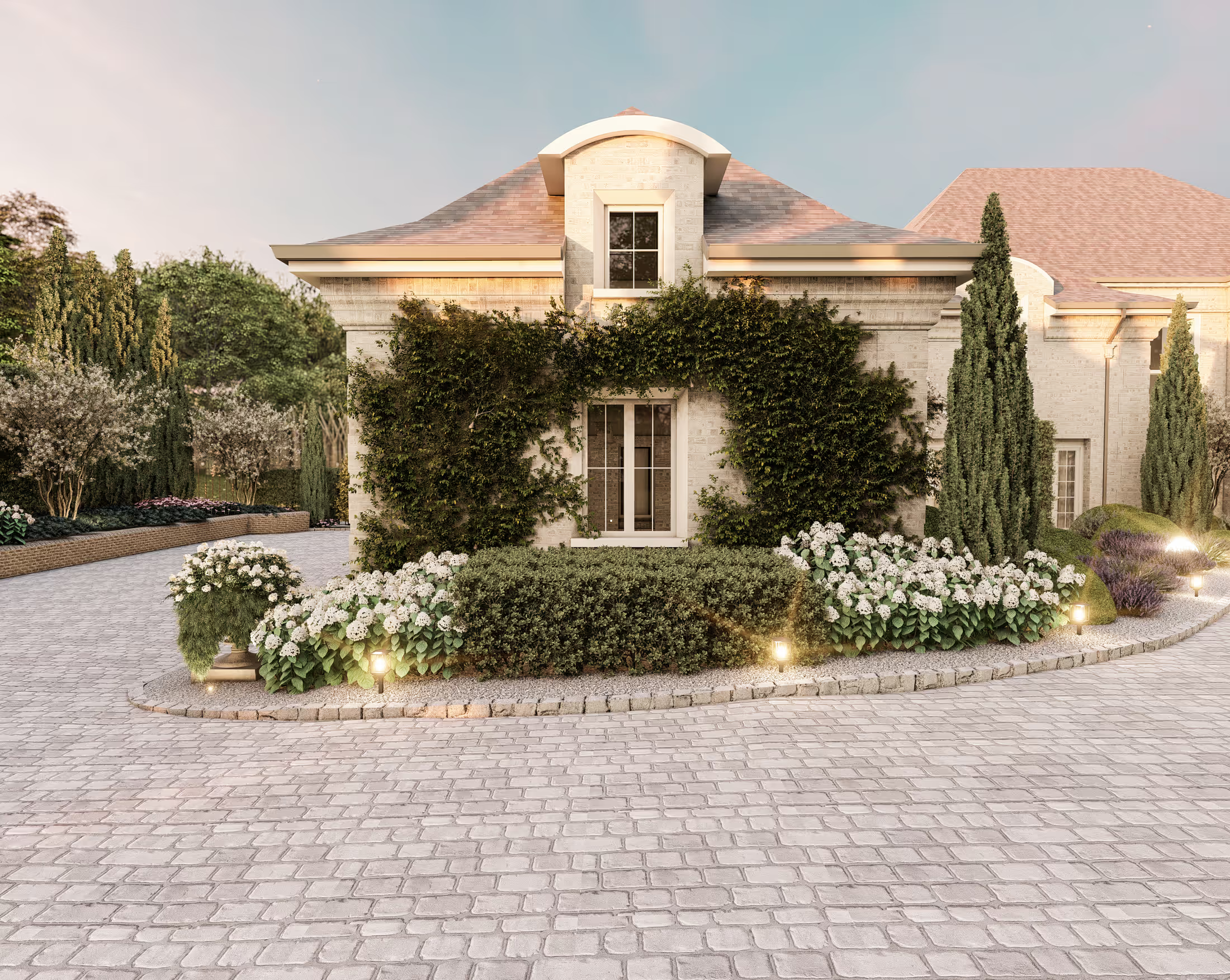
Planning a New York yard? Send me the space.
Photos, a rough sketch, a Pinterest board: whatever you have is enough to begin. Most projects go from first message to build-ready files in a few weeks.